Soft launch: Soldier biographies and research notes vary in completeness. Prefer class-roster, NARA, newspapers, and other cited sources for contested facts — treat Research notes as leads, not settled history. Anyone can correct a page; contact us with questions.
Hurt, Haruko (WAC): Difference between revisions
Import/enrich WAC profile from Gross–Eddy Camp Ritchie WAC spreadsheet |
Enrich from Wikipedia / Discover Nikkei (née Sugi; PACMIRS at Camp Ritchie) |
||
| Line 5: | Line 5: | ||
|certificate=WAC | |certificate=WAC | ||
|branch=Women's Army Corps | |branch=Women's Army Corps | ||
|birth_date=3 January 1915 | |||
|birth_year=1915 | |||
|death_date=19 January 2012 | |||
|death_year=2012 | |||
|birth_place=Parlier, California | |||
|nativity=United States | |||
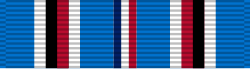
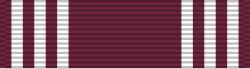
|awards=American Campaign Medal; Good Conduct Medal; World War II Victory Medal | |||
|awards_grid=American Campaign Medal;;Good Conduct Medal;;World War II Victory Medal | |||
|awards_ribbons=Ribbon_American_Campaign_Medal_ribbon.png;Ribbon_Army_Good_Conduct_Medal_ribbon.png;Ribbon_World_War_II_Victory_Medal_ribbon.png | |||
|awards_ribbon_rows=Ribbon_American_Campaign_Medal_ribbon.png;;Ribbon_Army_Good_Conduct_Medal_ribbon.png;;Ribbon_World_War_II_Victory_Medal_ribbon.png | |||
}} | }} | ||
<div class="soldier-lead"> | <div class="soldier-lead"> | ||
'''Haruko Hurt''' was a Women's Army Corps (WAC) | '''Haruko Hurt''' (née '''Sugi'''; 3 January 1915 – 19 January 2012) was a Women's Army Corps (WAC) Japanese-language translator associated with [[Camp Ritchie]], Maryland, and the Pacific Military Intelligence Research Section (PACMIRS). | ||
</div> | </div> | ||
== Biography == | == Biography == | ||
Haruko Hurt | Haruko Hurt (née Sugi) was born on 3 January 1915 in Parlier, California. Before the war she worked as a saleswoman and dressmaker in Los Angeles. After Japan's attack on Pearl Harbor—an act she later described as something “that country, over there, Japan, did”—she and her family were forced from the West Coast and held at the Rohwer relocation center in Arkansas. | ||
She volunteered for the Women's Army Corps in 1944 (inducted 1 November 1944 at Fort Sheridan, Illinois) and trained at the Military Intelligence Service Language School at Fort Snelling, Minnesota, beginning in early 1945. After graduation she was sent to Camp Ritchie for PACMIRS document translation (1945–1946), working on teams that translated captured Japanese materials into English alongside American, Canadian, British, and Australian linguists. She later continued similar work at the Washington Document Center in Washington, D.C. | |||
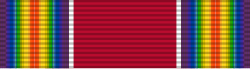
Hurt received the American Campaign Medal (American Theater Ribbon), the World War II Victory Medal, and the Good Conduct Medal. Using the G.I. Bill after discharge, she earned a master's degree in social work and married a former Navy man she met in college. She died on 19 January 2012. | |||
== Research notes == | == Research notes == | ||
* Pacific Military Intelligence Research Section (PACMIRS) | * Pacific Military Intelligence Research Section (PACMIRS) | ||
* Maiden name: Sugi (roster also had a duplicate page under Sugi, Haruko (WAC)) | |||
* Translator, Pacific Military Intelligence Research Section (PACMIRS), Camp Ritchie (1945–1946); Washington Document Center thereafter | |||
* MISLS, Fort Snelling, Minnesota | |||
* Oral history (Go For Broke / NDAJAMS, 25 February 2006): https://ndajams.omeka.net/collections/show/593 | |||
== Gallery == | == Gallery == | ||
| Line 30: | Line 49: | ||
== Sources == | == Sources == | ||
* [https://ndajams.omeka.net/collections/show/593 Haruko Hurt oral history interview (Go For Broke / NDAJAMS, 25 February 2006)] | |||
* [https://www.javadc.org/japanese%20american%20women%20in%20wwii.htm Japanese American Veterans Association — Japanese American Women in World War II] | |||
* [https://discovernikkei.org/en/resources/military/113/ Discover Nikkei — Japanese American Military Experience Database: Haruko Sugi Hurt] | |||
* [https://en.wikipedia.org/wiki/Haruko_Sugi_Hurt English Wikipedia, ''Haruko Sugi Hurt''] | |||
* [https://en.wikipedia.org/wiki/Nisei_women_translators_in_World_War_II English Wikipedia, ''Nisei women translators in World War II''] (Haruko Sugi Hurt section) | |||
* Dan Gross and Beverley Driver Eddy, ''WACs at Camp Ritchie'' roster research spreadsheet (Gross base list; Eddy additions, 2021) | * Dan Gross and Beverley Driver Eddy, ''WACs at Camp Ritchie'' roster research spreadsheet (Gross base list; Eddy additions, 2021) | ||
Latest revision as of 03:26, 17 September 2026
| Haruko Hurt | |
|---|---|
| Personal details | |
| Born | 3 January 1915 Parlier, California |
| Died | 19 January 2012 |
| Nativity | United States |
| Awards | American Campaign Medal; Good Conduct Medal; World War II Victory Medal |
| Military service | |
| Allegiance |  United States United States |
| Branch |  Women's Army Corps Women's Army Corps |
|
|
|
| American Campaign Medal | Good Conduct Medal | World War II Victory Medal |
{{Needs source}}, or explain disagreements on talk. Baseline import notes: About the data.Haruko Hurt (née Sugi; 3 January 1915 – 19 January 2012) was a Women's Army Corps (WAC) Japanese-language translator associated with Camp Ritchie, Maryland, and the Pacific Military Intelligence Research Section (PACMIRS).
Biography[edit | edit source]
Haruko Hurt (née Sugi) was born on 3 January 1915 in Parlier, California. Before the war she worked as a saleswoman and dressmaker in Los Angeles. After Japan's attack on Pearl Harbor—an act she later described as something “that country, over there, Japan, did”—she and her family were forced from the West Coast and held at the Rohwer relocation center in Arkansas.
She volunteered for the Women's Army Corps in 1944 (inducted 1 November 1944 at Fort Sheridan, Illinois) and trained at the Military Intelligence Service Language School at Fort Snelling, Minnesota, beginning in early 1945. After graduation she was sent to Camp Ritchie for PACMIRS document translation (1945–1946), working on teams that translated captured Japanese materials into English alongside American, Canadian, British, and Australian linguists. She later continued similar work at the Washington Document Center in Washington, D.C.
Hurt received the American Campaign Medal (American Theater Ribbon), the World War II Victory Medal, and the Good Conduct Medal. Using the G.I. Bill after discharge, she earned a master's degree in social work and married a former Navy man she met in college. She died on 19 January 2012.
Research notes[edit | edit source]
- Pacific Military Intelligence Research Section (PACMIRS)
- Maiden name: Sugi (roster also had a duplicate page under Sugi, Haruko (WAC))
- Translator, Pacific Military Intelligence Research Section (PACMIRS), Camp Ritchie (1945–1946); Washington Document Center thereafter
- MISLS, Fort Snelling, Minnesota
- Oral history (Go For Broke / NDAJAMS, 25 February 2006): https://ndajams.omeka.net/collections/show/593
Gallery[edit | edit source]
Use the Upload for this soldier box below (log in required), or Special:Upload. Profile photos: check Use as profile photo.
Technical record[edit | edit source]
| Field | Imported value |
|---|---|
| row_source | wac_eddy_gross_2021 |
| spreadsheet_row | 82 |
Sources[edit | edit source]
- Haruko Hurt oral history interview (Go For Broke / NDAJAMS, 25 February 2006)
- Japanese American Veterans Association — Japanese American Women in World War II
- Discover Nikkei — Japanese American Military Experience Database: Haruko Sugi Hurt
- English Wikipedia, Haruko Sugi Hurt
- English Wikipedia, Nisei women translators in World War II (Haruko Sugi Hurt section)
- Dan Gross and Beverley Driver Eddy, WACs at Camp Ritchie roster research spreadsheet (Gross base list; Eddy additions, 2021)