Soft launch: Soldier biographies and research notes vary in completeness. Prefer class-roster, NARA, newspapers, and other cited sources for contested facts — treat Research notes as leads, not settled history. Anyone can correct a page; contact us with questions.
Main Page: Difference between revisions
Replace class-roster disclaimer with short About the data blurb |
Featured Books section with weekly rotation |
||
| Line 35: | Line 35: | ||
{{Featured soldiers}} | {{Featured soldiers}} | ||
== Featured Books == | |||
A book by or about the Ritchie Boys — cover and brief synopsis rotate each week on the same schedule as the portraits above (full list on [[Books]]): | |||
{{Featured books}} | |||
== Reading == | == Reading == | ||
Latest revision as of 00:23, 18 September 2026
Ritchie Boys Wiki is an open roster of soldiers linked to Camp Ritchie military intelligence training in World War II. Start with a name or Army serial number (ASN), then add biography, photographs, and sourced corrections. Anyone can edit text without an account.
Secret Heroes: Camp Ritchie and the Making of The Ritchie Boys — their unique history and demographics.
At Camp Ritchie, the Army trained soldiers — many of them immigrants and refugees fluent in the enemy’s languages — for military intelligence in World War II. This wiki is their open roster and memorial.
Learn the story or find a relative · Full overview · By The Numbers
Open search and type a surname or ASN (for example Guy Stern or 37413105). Article titles look like Surname, First (ASN).
Browse by class or letter on Contents. No match? Try alternate spellings or ASN zeros — see If the name is not found, or Contact Us.
Contribute · Contact Us · Directory · Notables · About the data

How to help[edit | edit source]
Looking for a relative? Use Start here. To improve any page:
- Search for a soldier, or open one from Contents
- Use Edit soldier facts for roster fields, or Edit for biography and sources
- Log in only if you need to upload a photograph
- Watch Special:RecentChanges if you help patrol edits
Featured Ritchie Boys[edit | edit source]
Soldier profiles with fuller biographies — portraits rotate each week from a curated pool (more in Notables and The Stories):
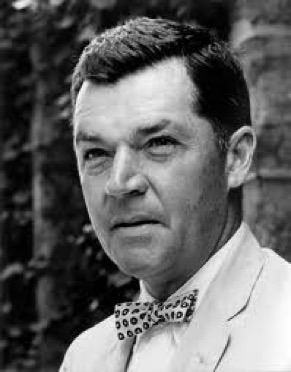
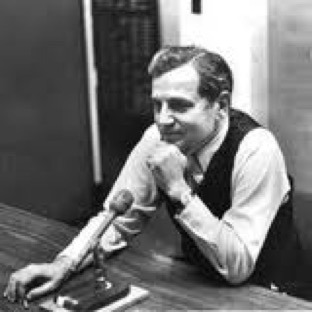
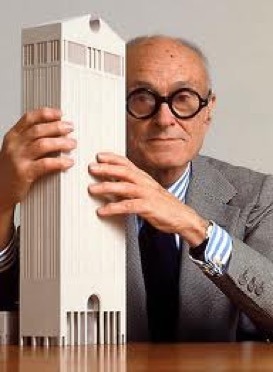
Featured Books[edit | edit source]
A book by or about the Ritchie Boys — cover and brief synopsis rotate each week on the same schedule as the portraits above (full list on Books):
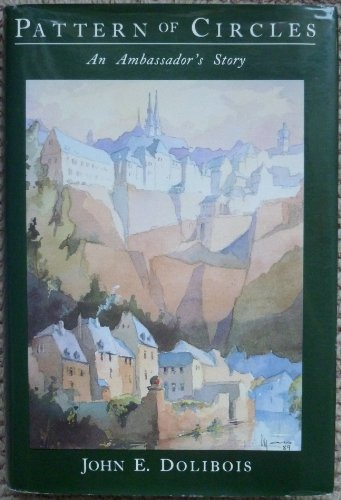
Reading[edit | edit source]
More topic pages on Contents and under Site pages in the sidebar:
Related links[edit | edit source]
- Ritchie Boys of WWII (Facebook)
- Ritchie History Museum
- Camp Ritchie Museum (Facebook)
- Historic Fort Ritchie (Instagram)
- Ritchie Museum (YouTube)
About the data[edit | edit source]
This wiki combines class-roster fields, research notes, biographies, photographs, and open edits from many sources. Treat pages as a starting point—not finished fact—until you check the Sources on a soldier page. How the material was compiled, what can go wrong, and credit for the Classes 1–31 roster digitization are on About the data.