Soft launch: Soldier biographies and research notes vary in completeness. Prefer class-roster, NARA, newspapers, and other cited sources for contested facts — treat Research notes as leads, not settled history. Anyone can correct a page; contact us with questions.
Schott, Howard M. (32809746): Difference between revisions
Remove Research notes URLs (review list retained offline) |
RB Archive batch-8 enrichment: Chronological regen from Early Music obituary; DOB/DOD; Pleasants link |
||
| Line 22: | Line 22: | ||
|photo=6002679613087243.jpg | |photo=6002679613087243.jpg | ||
|teams=MII 496-G | |teams=MII 496-G | ||
|birth_date=17 June 1923 | |||
|death_date=23 June 2005 | |||
|birth_place=New York City | |||
}} | }} | ||
<div class="soldier-lead"> | <div class="soldier-lead"> | ||
'''[[Schott, Howard M. (32809746)|Howard M. Schott]]''' ( | '''[[Schott, Howard M. (32809746)|Howard M. Schott]]''' (17 June 1923 – 23 June 2005) was a New York–born Ritchie Boy (Class 19) who interrogated German prisoners and later became a leading early-music scholar and harpsichord advocate. | ||
</div> | </div> | ||
== Biography == | == Biography == | ||
Howard M. Schott was born on 17 June 1923 in New York City and raised in White Plains. After high school he entered Yale, majoring in French while studying harpsichord with Ralph Kirkpatrick. Drafted during his third year, he taught literacy to draftees in Wisconsin, studied German intensively at Ann Arbor—finishing a Baudelaire thesis and graduating in 1944—then trained at Camp Ritchie (Class 19), where he worked with [[Pleasants, Henry III (0914107)|Henry Pleasants]]. | |||
Overseas he did translation and prisoner interrogation and co-authored a glossary of German administrative and political terminology. After discharge (1943–1946 service) he earned a Yale law degree (1948), topped the New York bar exam, and worked for federal agencies and industry while remaining active in music. | |||
His book ''Playing the Harpsichord'' (1971) led to doctoral study at Oxford; he received the D.Phil. in 1978 for a critical edition of J. J. Froberger. Based in Boston, Schott lectured widely, wrote for ''New Grove'' and ''Early Music'', and helped shape the Boston Early Music Festival. He died on 23 June 2005 shortly after that year’s festival. | |||
== Gallery == | == Gallery == | ||
| Line 127: | Line 111: | ||
|} | |} | ||
== Timeline == | |||
<div class="mw-collapsible mw-collapsed soldier-timeline"> | |||
<div class="soldier-timeline-body"> | |||
* 17 June 1923 — Born in New York City; raised White Plains. | |||
* Yale — French major; harpsichord with Ralph Kirkpatrick. | |||
* 1943–1946 — Drafted; Ann Arbor German study; Camp Ritchie Class 19; ETO interrogation / translation. | |||
* 1948 — Yale Law School; New York bar. | |||
* 1971 / 1978 — Playing the Harpsichord; Oxford D.Phil. (Froberger edition). | |||
* Boston years — Musicology, Early Music Festival, New Grove contributions. | |||
* 23 June 2005 — Died. | |||
</div> | |||
</div><div style="clear: both;"></div> | |||
== Sources == | == Sources == | ||
* Paul Cienniwa, “Howard Schott (1923–2005),” ''Early Music'' 33, no. 4 (November 2005): 739–740 (RB Archive JSTOR PDF) | |||
* Camp Ritchie Museum, Inc. (The Ritchie History Museum), Classes 1–31 roster data | * Camp Ritchie Museum, Inc. (The Ritchie History Museum), Classes 1–31 roster data | ||
* Dan Gross research spreadsheets, including original Excel timeline/roster work, combined with other research and records | * Dan Gross research spreadsheets, including original Excel timeline/roster work, combined with other research and records | ||
Latest revision as of 20:45, 16 September 2026
| Howard M. Schott | |
|---|---|
 | |
| Personal details | |
| Born | 17 June 1923 New York City |
| Died | 23 June 2005 |
| Nativity | United States |
| Military service | |
| Allegiance |  United States United States |
| Branch |  United States Army United States Army |
| ASN | 32809746 |
| Rank | Private First Class |
| Camp Ritchie | Class 19 (16 May – 13 July 1944) |
| Section | 7C |
| Enlisted | New York City, New York |
| Teams | IPW 406, IPW 167, MII 496-G |
{{Needs source}}, or explain disagreements on talk. Baseline import notes: About the data.
Howard M. Schott (17 June 1923 – 23 June 2005) was a New York–born Ritchie Boy (Class 19) who interrogated German prisoners and later became a leading early-music scholar and harpsichord advocate.
Biography[edit | edit source]
Howard M. Schott was born on 17 June 1923 in New York City and raised in White Plains. After high school he entered Yale, majoring in French while studying harpsichord with Ralph Kirkpatrick. Drafted during his third year, he taught literacy to draftees in Wisconsin, studied German intensively at Ann Arbor—finishing a Baudelaire thesis and graduating in 1944—then trained at Camp Ritchie (Class 19), where he worked with Henry Pleasants.
Overseas he did translation and prisoner interrogation and co-authored a glossary of German administrative and political terminology. After discharge (1943–1946 service) he earned a Yale law degree (1948), topped the New York bar exam, and worked for federal agencies and industry while remaining active in music.
His book Playing the Harpsichord (1971) led to doctoral study at Oxford; he received the D.Phil. in 1978 for a critical edition of J. J. Froberger. Based in Boston, Schott lectured widely, wrote for New Grove and Early Music, and helped shape the Boston Early Music Festival. He died on 23 June 2005 shortly after that year’s festival.
Gallery[edit | edit source]
-
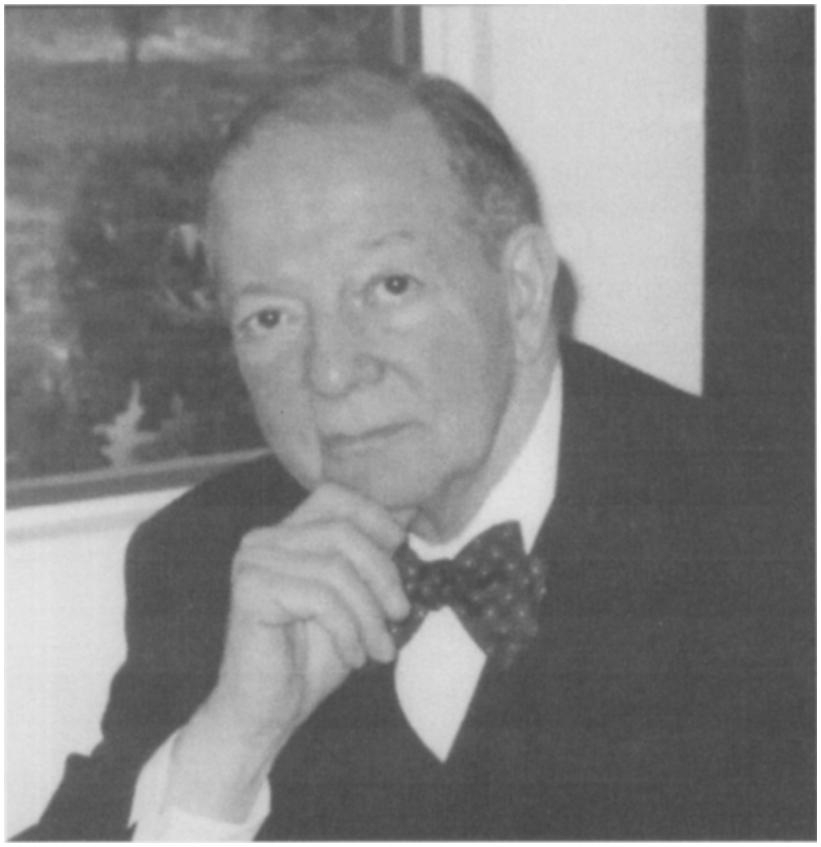 He served on the boards of numerous organizations, including the Boston Early Music Festival, the Yale Collection of Musical Instruments, the Boston Clavichord Society and the American Recorder Society
Technical record[edit | edit source]
| Field | Imported value |
|---|---|
| Approx Age at Death | 82 |
| Nara ASN | 32809746 |
| Nara Name | SCHOTT HOWARD M |
| Nara State | 23 |
| Nara County | 119 |
| Nara POE | 2364 |
| Nara DOE | 180243 |
| Nara Grade Alpha | PVT |
| Nara Grade Code | 8 |
| Nara Branch Alpha | BI |
| Nara Branch Code | 0 |
| Branch | Branch Immaterial - Warrant Officers, USA |
| Nara Term or Enlistment | 5 |
| Term of enlistment | Enlistment for the duration of the War or other emergency, plus six months, subject to the discretion of the President or otherwise according to law |
| Defer. Date | 0 |
| Nara Source | 0 |
| Nara Nativity | 23 |
| Nativity.1 | NEW YORK |
| Nara Year of Birth | 23 |
| Nara Race | 1 |
| Nara Race Description | White citizen |
| Nara Education | 6 |
| Nara Civilian Occupation | 992 |
| Nara Marital Status | 6 |
| Nara Height (inches) | 70 |
| Nara Weight (lbs) | 168 |
| Class_ASN | 32809746 |
| Class_Name | SCHOTT, Howard M. |
| match_method | asn_exact_name_exact |
| row_source | both |
Timeline[edit | edit source]
- 17 June 1923 — Born in New York City; raised White Plains.
- Yale — French major; harpsichord with Ralph Kirkpatrick.
- 1943–1946 — Drafted; Ann Arbor German study; Camp Ritchie Class 19; ETO interrogation / translation.
- 1948 — Yale Law School; New York bar.
- 1971 / 1978 — Playing the Harpsichord; Oxford D.Phil. (Froberger edition).
- Boston years — Musicology, Early Music Festival, New Grove contributions.
- 23 June 2005 — Died.
Sources[edit | edit source]
- Paul Cienniwa, “Howard Schott (1923–2005),” Early Music 33, no. 4 (November 2005): 739–740 (RB Archive JSTOR PDF)
- Camp Ritchie Museum, Inc. (The Ritchie History Museum), Classes 1–31 roster data
- Dan Gross research spreadsheets, including original Excel timeline/roster work, combined with other research and records
- NARA World War II Army enlistment records (where a NARA ASN is present)
- 1940 U.S. Census (where a census match is present)
- Ritchie Boys of WWII Facebook page, post dated 2022-12-30 (1 post)
- Dan Gross, Timeline of Howard M. Schott for Camp Ritchie (private research document; 1 source documents reviewed)
- Dan Gross, Timeline of Schott, Howard M. for Camp Ritchie (private research files; selected non-private narrative findings; 1 source files: HOWARD M. SCHOTT.docx)