Soft launch: Soldier biographies and research notes vary in completeness. Prefer class-roster, NARA, newspapers, and other cited sources for contested facts — treat Research notes as leads, not settled history. Anyone can correct a page; contact us with questions.
Postwar intelligence careers
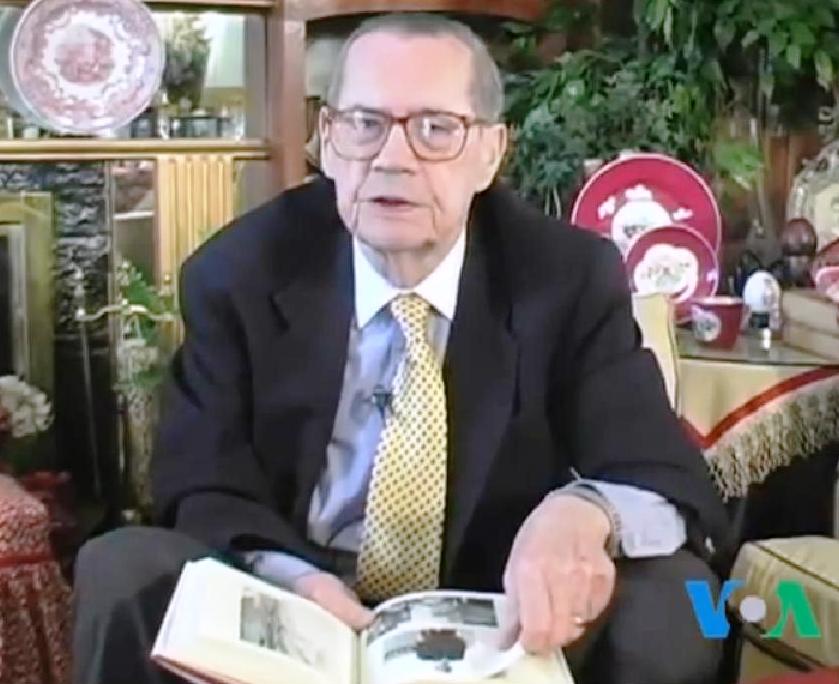
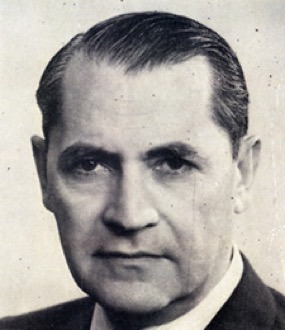
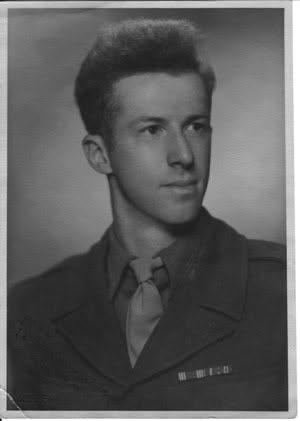
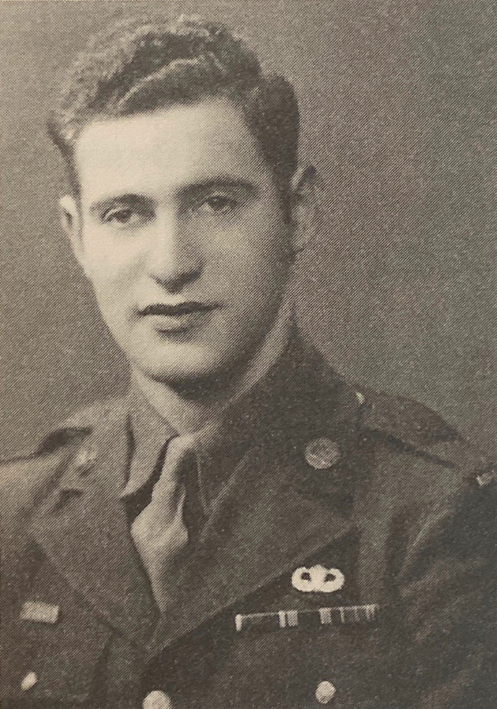
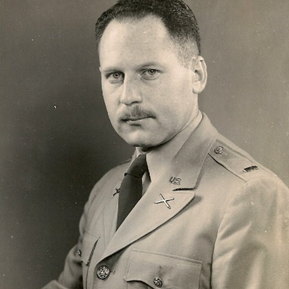
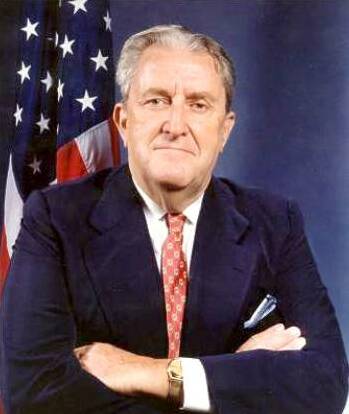
Postwar intelligence careers is a working face gallery of Ritchie Boys whose profiles or essays on this wiki document continued intelligence work after World War II — for example U.S. Army G-2 / Army Intelligence, OSS/CIA, or related national-security service.
This is not a complete roster. Many veterans returned to civilian life; others stayed in government work that is not yet cited clearly on their pages. Cards are added only when a source already on this site supports the postwar intelligence link.
See also
- Refugees who enlisted — another theme gallery
- Secret Heroes/Battle of the Bulge
- Notable Ritchie Boys
- The Stories
- Camp Ritchie