| Alessandro Sabbadini | |
|---|---|
 Portrait of Sgt. Alex Sabbadini, 1944. | |
| Personal details | |
| Born | 1916 |
| Nativity | Italy |
| Military service | |
| Allegiance |  United States United States |
| Branch |  United States Army United States Army |
| ASN | 32626304 |
| Enlisted | New York City, New York |
| Team | IPW Italian 4 |
{{Needs source}}, or explain disagreements on talk. Baseline import notes: About the data.
Alessandro Sabbadini (born 1916) was a Ritchie Boy (from Italy) who trained at Camp Ritchie.
Biography
I just received this post from Roger Sabbadini about his late Father , Ritchie Boy Alessandro Sabbadini
"Alex Sabbadini was born Alessandro Sabbadini in Rome, Italy on October 26, 1916 as the youngest of nine children. In 1939 at the age of 23, Alex traveled to New York as an exhibitor to the World’s Fair in New York. Having lived in Europe during the first year of WWII, Alex knew as did many others that the U.S. would soon enter the war in Europe. His unstated plan was to volunteer for the U.S. military to fight fascism. After Pearl Harbor, he attempted unsuccessfully to volunteer for the service, and was initially reject because of his enemy alien status. Eventually, he was accepted into the U.S. Army and was sent" to Camp Ritchie's Military Intelligence Training Center (MITC). "As a Tech Sergeant in the document section, he made use of his Italian language skills to serve with advanced troops translating captured enemy documents in an attempt to decipher troop movements and strengths and other militarily significant information. In one interesting episode, Alex and comrades captured Mussolini’s headquarters shortly after the dictator narrowly escaped in a race with Italian partisans towards Austria and perceived safety. Alex sat at Mussolini’s undisturbed desk sifting through documents."
As America celebrates Independence Day this weekend, the family of Ritchie Boy Alessandro (Alex) Sabbadini remembers his fight to liberate Italy on America's behalf 83 years ago this month. Sabbadini was born in Rome to a Jewish family in 1916 and escaped Fascist Italy on the eve of WWII, only to join the fight with the U.S. 5th Army a few years later. Sabbadini lived for 18 years under Benito Mussolini before emigrating to America at the age of 23. Due to the Fascist Racial Laws, he was dishonorably discharged from the Italian Army, as Jews were considered a security threat and unfit for service. After three years in the U.S., Sabbadini became one of the first Ritchie Boys and was one of the very few Italian-born Jews to fight with the Allies in North Africa, Sicily, and Italy. Sabbadini graduated from Camp Ritchie in late 1942 and served in combat, initially as an enemy alien until he received battlefield citizenship in North Africa prior to the invasion of Sicily on July 10, 1943. Alex was assigned to the Army’s G-2 Intelligence Service, Advanced Document Section (ADS). The ADS was not typically located with a particular unit but was tasked with accompanying the most advanced unit in the field. The job of this elite, small group of soldiers was to preserve and record items of military importance captured from enemy command posts, and to work with the Italian partisans to gain intelligence about the disposition of enemy forces. Sabbadini received the Purple Heart for injuries suffered in the Sicilian campaign. After Sicily and Salerno, Sabbadini’s third amphibious landing was at the Anzio beachhead (Operation SHINGLE on January 22, 1944), where he arrived on the beach just two hundred yards from the Sabbadini villa where he spent the first 23 summers of his life. There was no trace of the Sabbadini family in the beach house, and only after four more months would he know that his family in Rome had been hiding, and that all were safe. It had been five years since he had communicated with his Roman family. In another episode near the end of the war, Sabbadini was assigned to a special unit ordered to capture Fascist leader Benito Mussolini. They missed Il Duce by mere hours in late April 1945, but Sabbadini was able to sit at Mussolini’s undisturbed desk, examining the late Italian dictator’s military and personal documents, including those that led to Sabbadini's expulsion from Italy 7 years earlier. After the war, Alex started a family and created a successful antiques business in San Francisco, where he was a fine arts appraiser and auctioneer who rose to become President of the American Society of Appraisers. He and Elaine Judith Dreyfus had two sons, Roger and Steven. Visit the archive here: Unavoidable Hope: A Jewish Soldier’s Fight to Save His Family from Fascism is a biography of Alex Sabbadini's WWII experiences written by his eldest son Roger. The E-book version is available at no charge by emailing: alighieripublishers@gmail.com
Research notes
No notes were in the source row. Add what you know.
Gallery
-
-
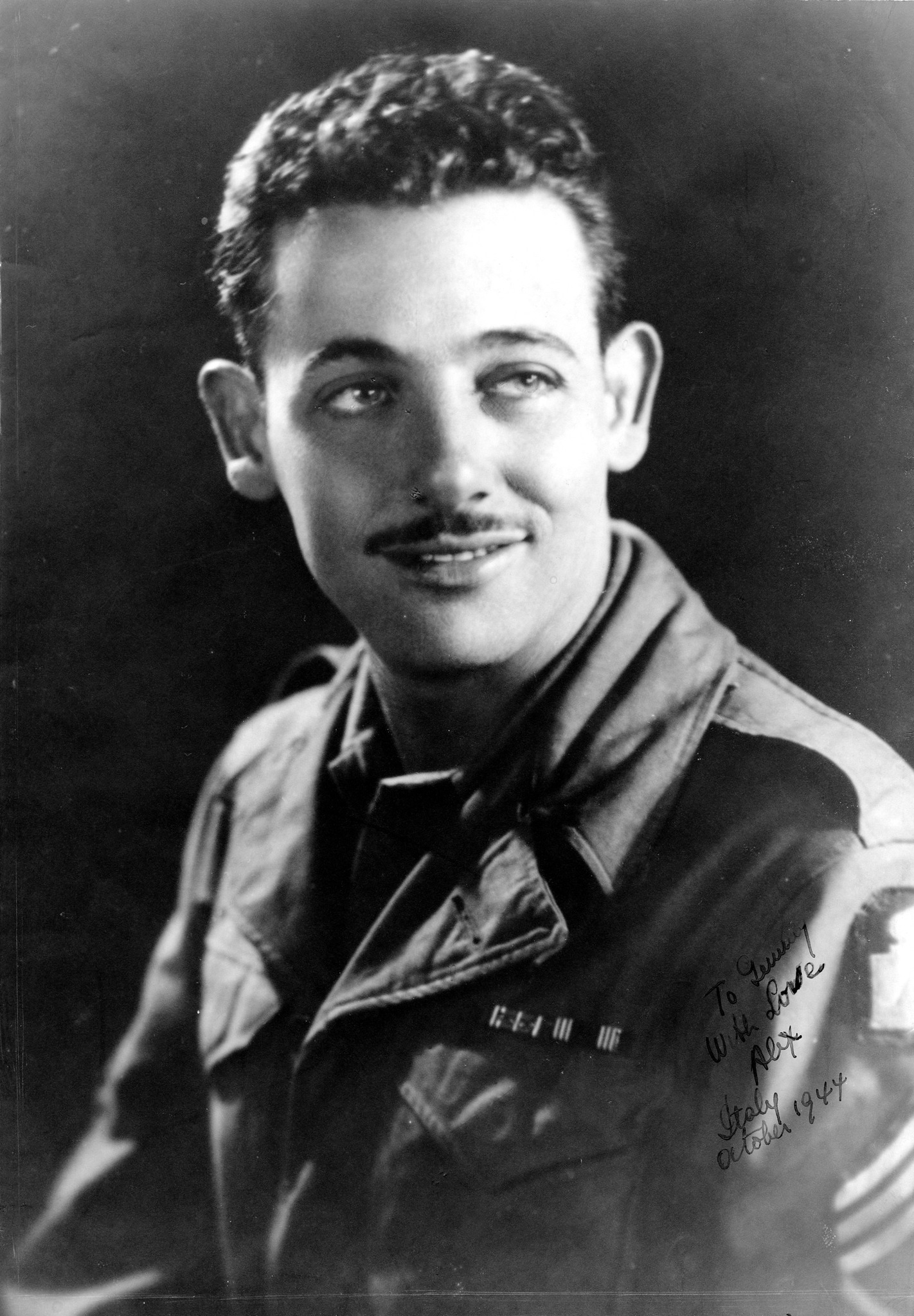 Portrait of Sgt. Alex Sabbadini, 1944.
 -
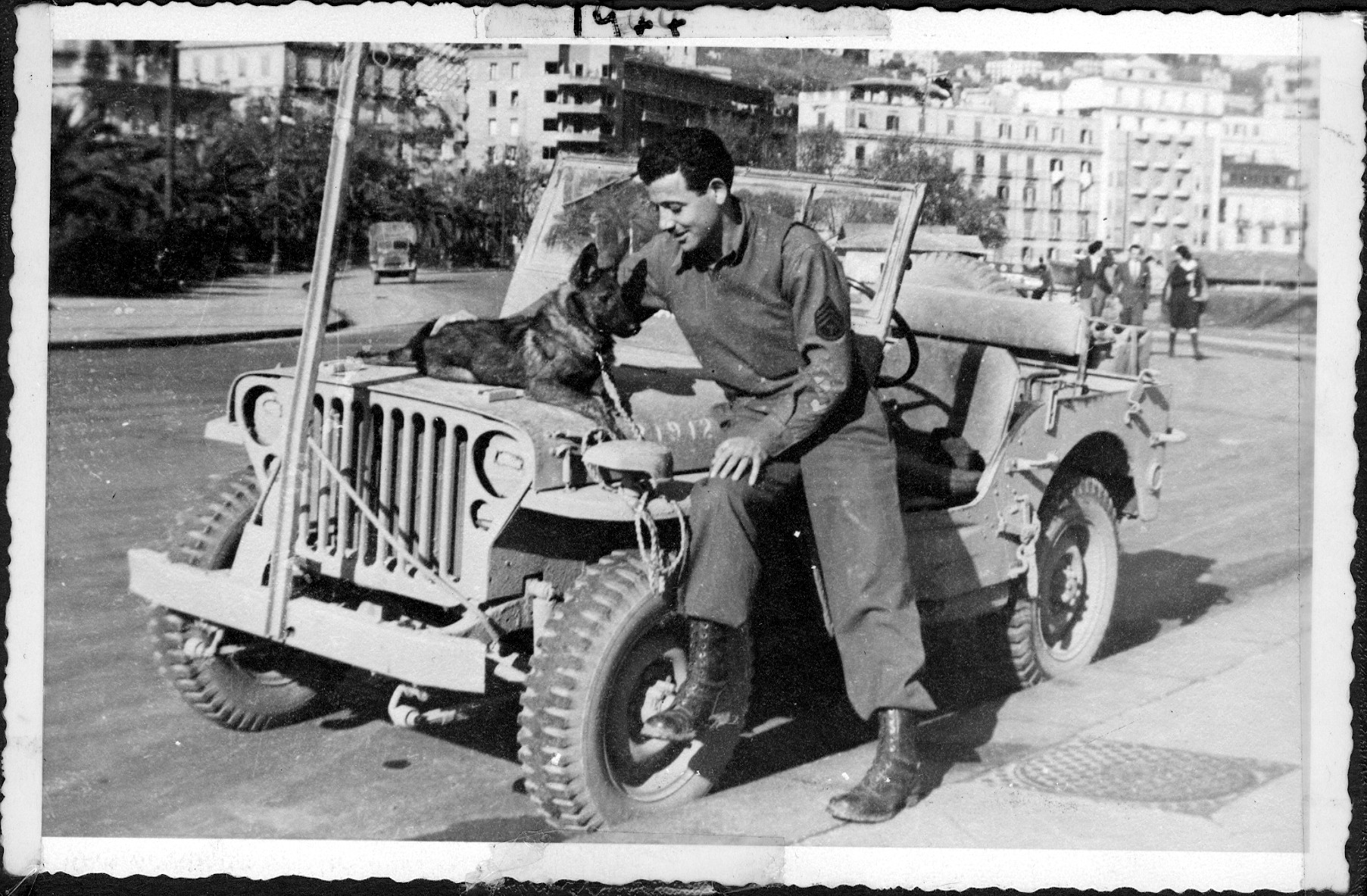 Sabbadini poses with four-legged and four-wheeled friends, Naples, early 1944.
 -
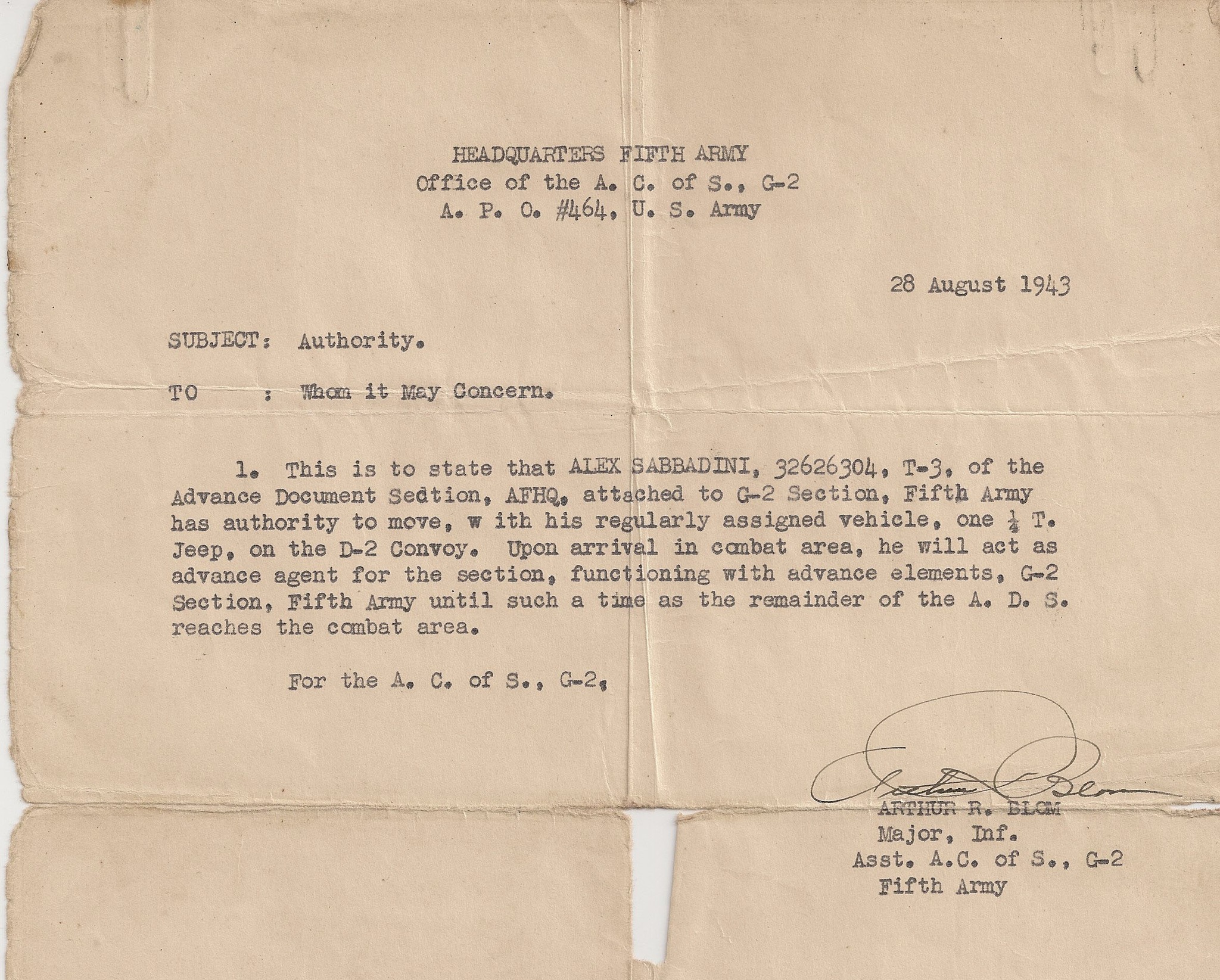 The Alex Sabbadini Documents Trust has donated Sabbadini’s extensive collection of WWII documents and artifacts to the United States Holocaust Memorial Museum.
 -
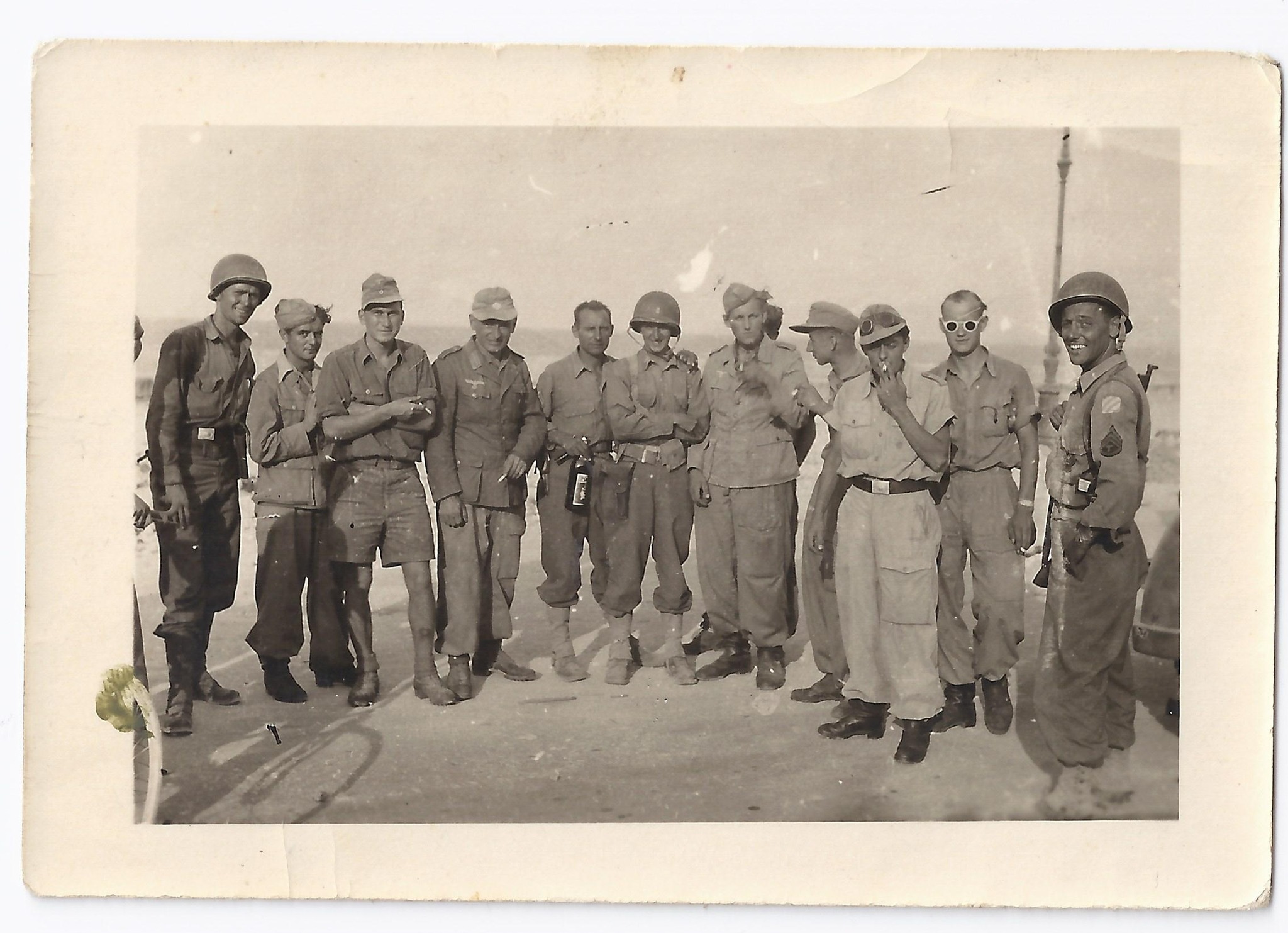 The Alex Sabbadini Documents Trust has donated Sabbadini’s extensive collection of WWII documents and artifacts to the United States Holocaust Memorial Museum.


Technical record
| Field | Imported value |
|---|---|
| Nara ASN | 32626304 |
| Nara Name | SABBADINI ALESSANDRO |
| Nara State | 23 |
| Nara County | 061 |
| Nara POE | 2364 |
| Nara DOE | 111142 |
| Nara Grade Alpha | PVT |
| Nara Race | 1 |
| Nara Race Description | White citizen |
| Nara Height (inches) | 68 |
| Nara Weight (lbs) | 142 |
| row_source | demographics |
Sources
- Camp Ritchie class roster (classes 1–31), merged research file
- NARA World War II Army enlistment records (where a NARA ASN is present)
- 1940 U.S. Census (where a census match is present)
- Ritchie Boys of WWII Facebook page, post dated 2018-03-06 (2 posts)
- Ritchie Boys of WWII Facebook page, post dated 2026-06-30 (1 post)
- Facebook-linked source: US Holocaust Memorial Museum