Soft launch: Soldier biographies and research notes vary in completeness. Prefer class-roster, NARA, newspapers, and other cited sources for contested facts — treat Research notes as leads, not settled history. Anyone can correct a page; contact us with questions.

Symposium Presentation: Difference between revisions

From Ritchie Boys Wiki
Jump to navigation Jump to search
Import 2012 Camp Ritchie Symposium presentation (Dan Gross)
 
Remove redundant theritchieboys.com adapted-from wording
 
Line 1: Line 1:
{{DISPLAYTITLE:Symposium Presentation}}
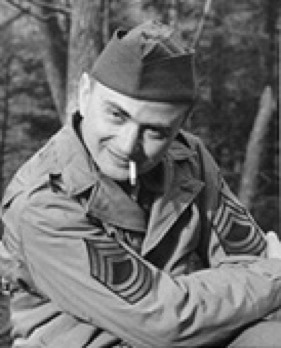
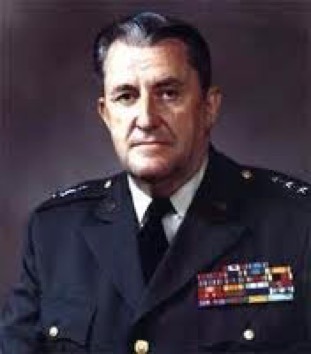
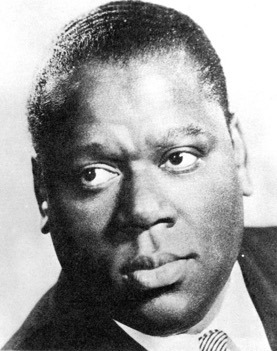
'''Symposium Presentation''' adapts Dan Gross’s 2012 Camp Ritchie Symposium deck ([https://www.theritchieboys.com/symposium-presentation theritchieboys.com]; [https://docs.google.com/presentation/d/1tY0iVky0pcbn8iNO3-MPAMxUflyn0APB Google Slides]). Soldier portraits largely match [[Notable Ritchie Boys]]; this page keeps the symposium order and closing sections.
'''Symposium Presentation''' presents Dan Gross’s 2012 Camp Ritchie Symposium deck ([https://docs.google.com/presentation/d/1tY0iVky0pcbn8iNO3-MPAMxUflyn0APB Google Slides]). Soldier portraits largely match [[Notable Ritchie Boys]]; this page keeps the symposium order and closing sections.


''Copyright © 2012 Daniel Gross. All Rights Reserved. Adapted here for the Ritchie Boys Wiki from the 2012 Camp Ritchie Symposium presentation.''

Latest revision as of 01:44, 26 August 2026

Symposium Presentation presents Dan Gross’s 2012 Camp Ritchie Symposium deck (Google Slides). Soldier portraits largely match Notable Ritchie Boys; this page keeps the symposium order and closing sections.

Copyright © 2012 Daniel Gross. All Rights Reserved. Adapted here for the Ritchie Boys Wiki from the 2012 Camp Ritchie Symposium presentation.

About the symposium[edit | edit source]

Created for the 2012 Camp Ritchie Symposium (18–19 June 2012), titled Camp Ritchie and the Legacy of the "Ritchie Boys" — Events to Commemorate the 70th Anniversary of the Establishment of Camp Ritchie (Military Intelligence Training Center, Cascade, Maryland).

The Ritchie Boys[edit | edit source]

A unique group of World War II intelligence officers.

Camp Ritchie classes and students (2012 slide)[edit | edit source]

Figures as shown on the 2012 symposium slide (period covered 27 July 1942 – 20 September 1945). These are historical presentation numbers and are not used as current site statistics — see By The Numbers for roster-based counts maintained on this wiki.

Category Count
Army Ground Force class graduates
(includes PI, OB, Division, MITU, RDC)
3,156
CIC class graduates 2,451
Special instruction graduates 627
MITC 8-week class graduates 11,637
Other MITC class graduates 1,798
Total, all MITC class graduates 13,435
Total: graduates all classes 19,669
Total (approximate): non-graduates 3,800

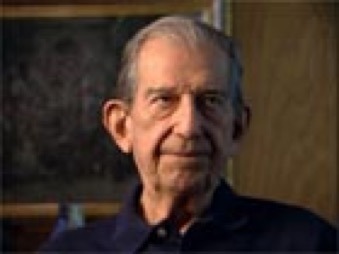
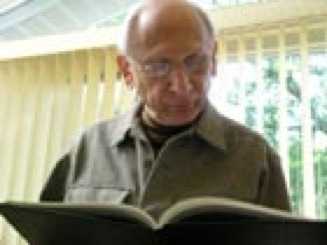
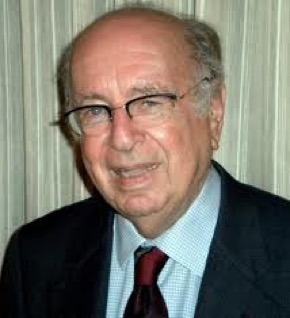
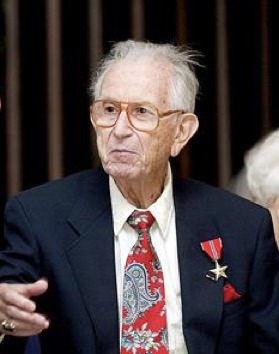
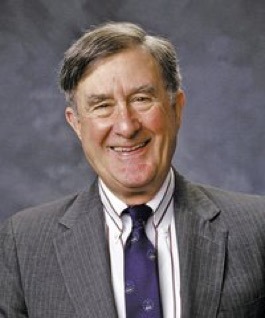
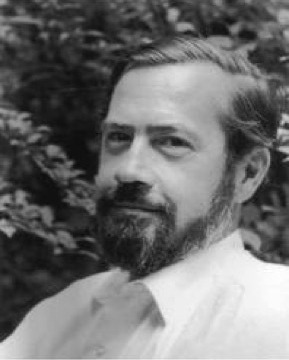
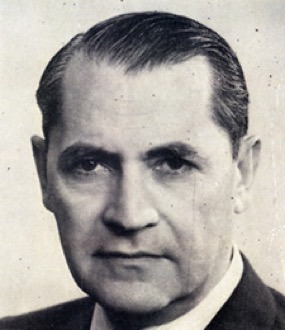
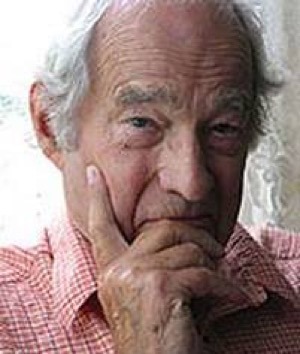
The ten stars of The Ritchie Boys documentary[edit | edit source]
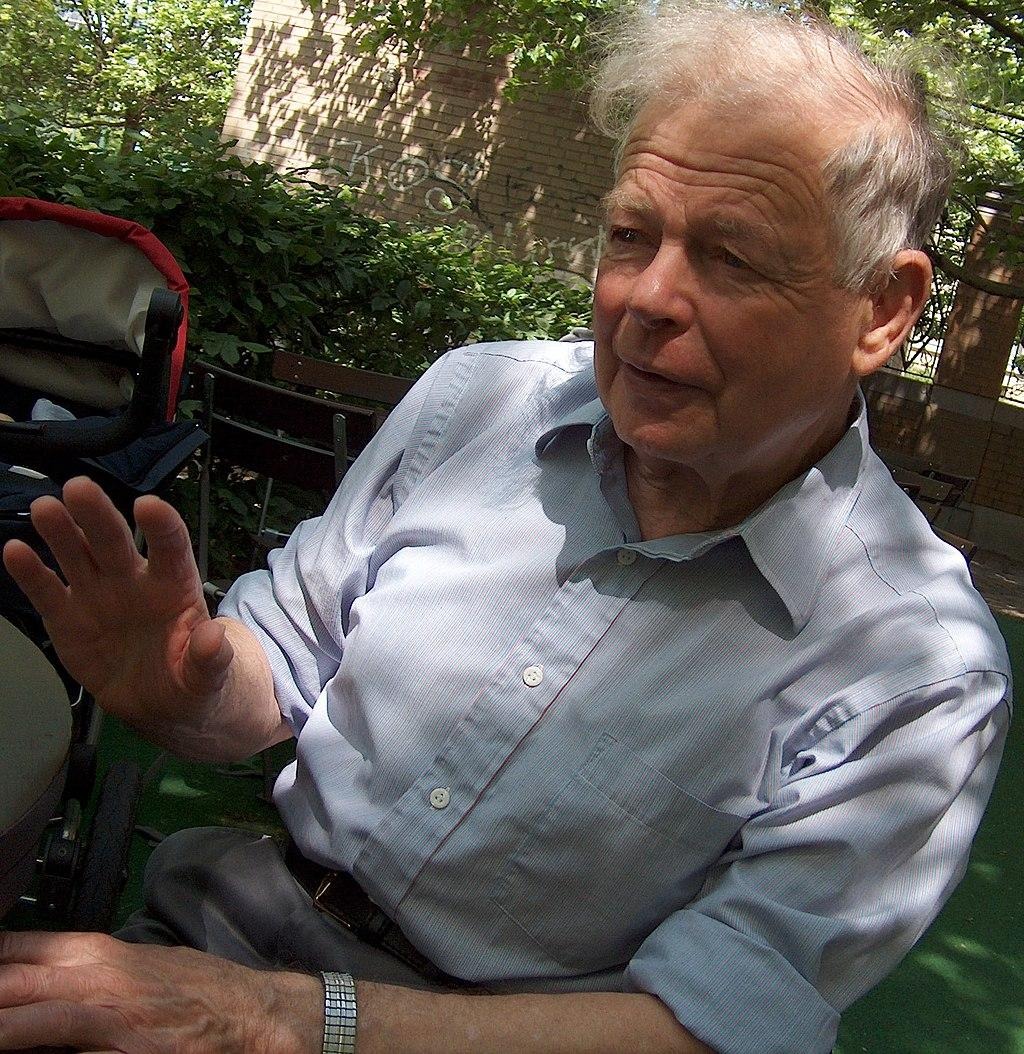
Werner (Tom) Angress (1920–2010)
Class 11
  • Historian, SUNY Professor
  • Author, "Between Fear and Hope"
Victor Brombert (b. 1923)
Class 11
  • Professor Emeritus, Princeton
  • Author, "Trains of Thought"
Philip Glaessner (1919–2009)
Class 15
  • Alliance for Progress
  • World Bank economist
Fred Howard (1922–2008)
Class 17
  • Display company owner
  • Invented L’Eggs pantyhose
Simon J. (“Si”) Lewen (1918–2016)
Class 16
  • Artist of the Holocaust
  • Si Lewen Museum
Rudolf Michaels (1916–2009)
Class 16
  • Law school professor
  • Judge
Morris Parloff (1918–2011)
Class 16
  • Clinical psychologist
  • NIH administrator
Richard Schifter (b. 1923)
Class 17
  • Assistant Secretary of State
  • Ambassador and Representative to the United Nations
Hans J. Spear (1918–2009)
Class 14
  • Painting company owner
  • Roster title uses Hans N. Spear; symposium slide lists Hans J. Spear
Guy Stern (b. 1922)
Class 8
  • German literature scholar
  • Professor Emeritus, Wayne State University

Notable Ritchie Boys (select list)[edit | edit source]

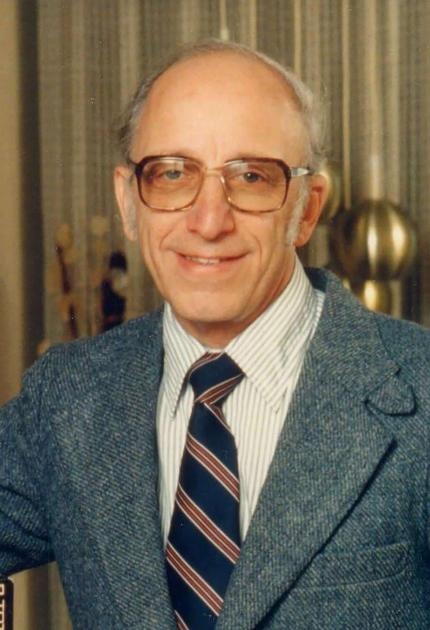
Presented in the symposium’s alphabetical select list. The fuller gallery (including people such as Frank Church who appear in the separate notables decks) is on Notable Ritchie Boys.
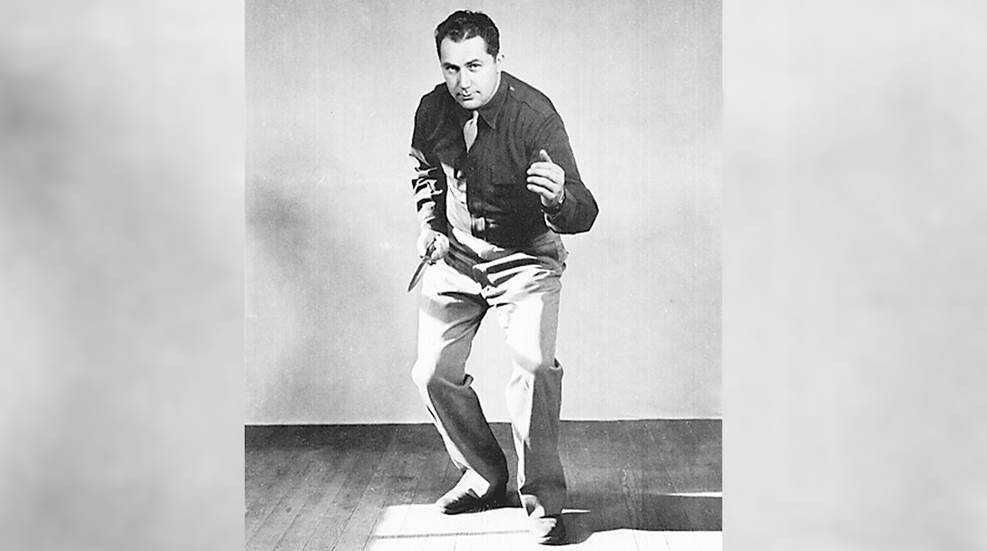
Rex Applegate (1914–1998)
  • Instructor
  • Manual combat specialist
  • Author, "Kill or Be Killed"
Ralph H. Baer (1922–2014)
Class 10
  • “Father of Video Games”; Odyssey; Pong
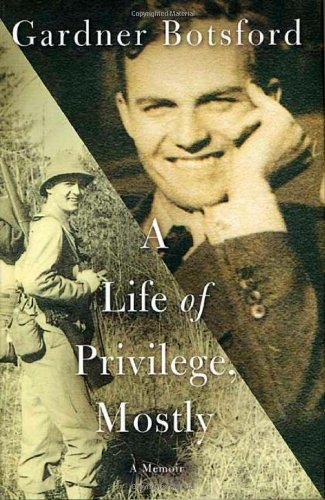
Gardner Botsford (1917–2004)
Class 10
  • Editor, New Yorker
  • Author, "Life of Privilege, Mostly"
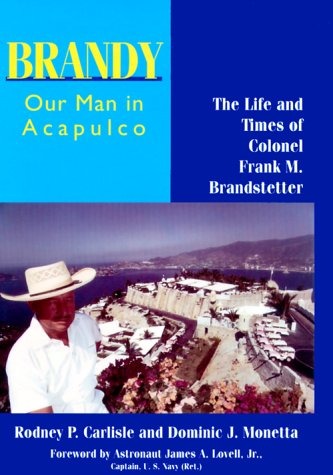
Frank Brandstetter (1912–2011)
Class 6
  • International hotelier
  • Subject of "Brandy, Our Man in Acapulco"
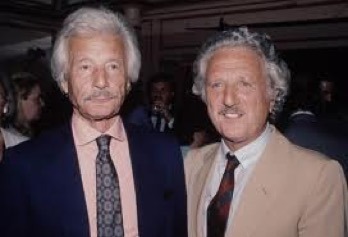
Igor Cassini (1915–2002)
Class 18
  • “Cholly Knickerbocker” columnist for Hearst newspapers
  • Symposium photo: Igor (left) with brother Oleg
John H. Chafee (1922–1999)
Class 23
  • USMC officer; Okinawa, Korea
  • Governor and Senator, Rhode Island
  • Secretary of the Navy
David Chavchavadze (1924–2014)
Class 10
  • Romanov prince
  • Author, "Crowns and Trenchcoats: A Russian Prince in the CIA"
Eugene Fodor (1905–1991)
  • 1st Mobile Radio Broadcasting Company
  • OSS/CIA intelligence officer
  • Travel writer, Fodor’s Guides
William Sloane Coffin (1924–2006)
Class 13
  • Peace activist
  • Yale chaplain
Leon Edel (1907–1997)
Class 13
  • Henry James scholar
  • Author, "The Visitable Past"
Robert F. Goheen (1919–2008)
Class 15
  • President, Princeton University
  • Ambassador to India
  • Symposium lists Class 15 (roster currently shows Class 5)
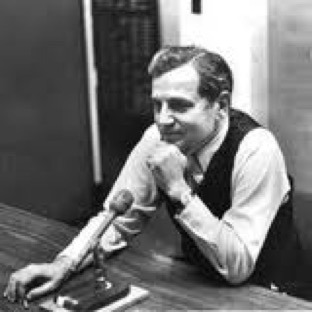
Hans Habe (1911–1977)
  • 1st Mobile Radio Broadcasting Company
  • Editor; author, "A Thousand Shall Fall"
Stefan Heym (1913–2001)
Class 9
  • Author, "The Wandering Jew", "The Crusaders"
George Jellinek (1919–2010)
Class 16
  • WQXR radio host, "The Vocal Scene"
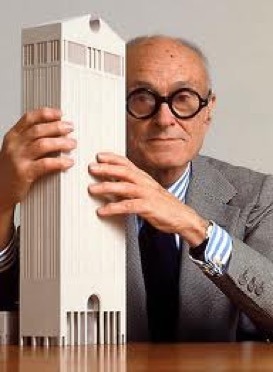
Philip C. Johnson (1906–2005)
Class 10
  • World-famous architect
  • Modern glass and steel towers
John W. Kluge (1914–2010)
Class 7
  • Metromedia owner
  • Billionaire philanthropist
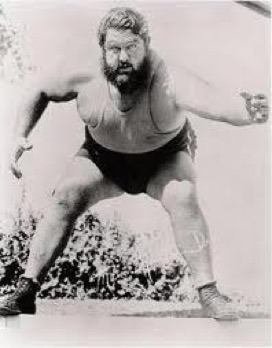
Frank S. Leavitt (1891–1953)
  • First Sergeant
  • Known as “Man Mountain Dean”
Arno J. Mayer (b. 1926)
Class 29
  • Professor Emeritus, Princeton; Marxist historian
  • "Why Did the Heavens Not Darken?"
Ib J. Melchior (1917–2015)
Class 10
  • Science-fiction movies
  • Novelist, "Order of Battle"
John Bertram Oakes (1913–2001)
Class 4
  • Editor, New York Times
  • Created the Op-Ed page
  • Environmentalist
William R. Perl (1906–1998)
Class 6
  • Rescued 40,000 Jews
  • Author, "Operation Action"
Laughlin Phillips (1924–2010)
Class 17
  • The Phillips Collection (modern art)
  • The Washingtonian magazine
Eric R. Pleskow (1924–2019)
Class 27
  • Film producer; president, United Artists
  • Three Oscar awards
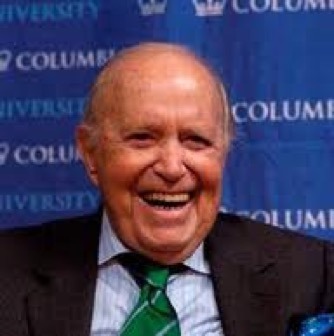
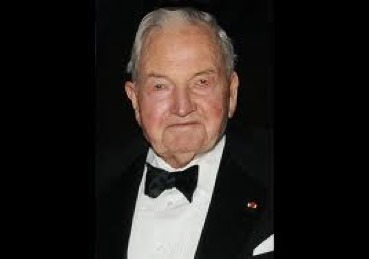
David Rockefeller (1915–2017)
Class 7
  • Chairman, Chase Manhattan Bank
  • Philanthropist
Eric F. Ross (1919–2010)
Class 10
  • Chemical and plastics pioneer
  • Philanthropist
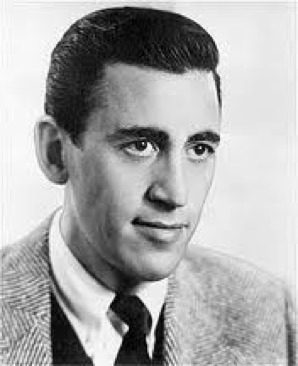
J. D. Salinger (1919–2010)
CIC Short Course
  • Novelist, "Catcher in the Rye"
  • Literary giant
David R. Seymour (1911–1956)
Class 5
  • Famous photographer “Chim”
Vernon Walters (1917–2002)
Class 4
  • Career intelligence officer
  • Ambassador to the UN and Germany
William Warfield (1920–2002)
  • Entertainment director
  • Bass-baritone, "Porgy & Bess"

Women’s Army Corps[edit | edit source]

More than 100 served at Camp Ritchie as students, clerks, and faculty.

Closing[edit | edit source]

  • Today we salute all the Ritchie Boys.
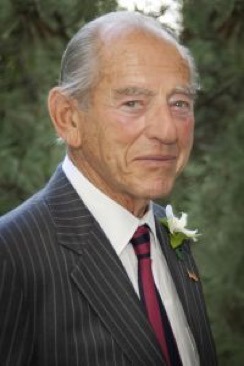
  • Camp Ritchie made you into intelligence officers.
  • You performed your duty in the field.
  • As interrogators, photo interpreters, and translators.
  • As infantry, armored, combat engineers, and airborne — and as Bronze Star and Silver Star medal winners.
  • Today, surviving veterans stand shoulder to shoulder with those who are no longer with us.
  • To all the Ritchie Boys… thank you for a job well done.

See also[edit | edit source]